

15 Milwaukee Team-Building Activities for Corporate Teams in 2026
Milwaukee has no shortage of things coworkers can do together. You can smash, race, solve, or even paddle.
But “team building” can mean wildly different things depending on your team.
One team may need to rebuild trust after a reorganization. Another may simply want a fun night out after a long quarter. A leadership team may want better communication or just want to play mini golf and not think about improving themselves at all.
Those are different goals, and they call for different experiences.
Make Believe Works specializes in creative, professionally facilitated team-building workshops designed to build trust, psychological safety, communication, and genuine connection. But that isn’t what every team needs.
This guide compares 15 very different Milwaukee team-building activities based on what they’re actually good at, who is likely to enjoy them, and what you should know before booking.
Quick Picks: Milwaukee Team Building by Goal
Best for trust, connection, and psychological safety: Make Believe Works
Best for blowing off steam: Smash Zone
Best for competitive adrenaline: K1 Speed Milwaukee
Best for easy logistics: Big Putts Mini Golf
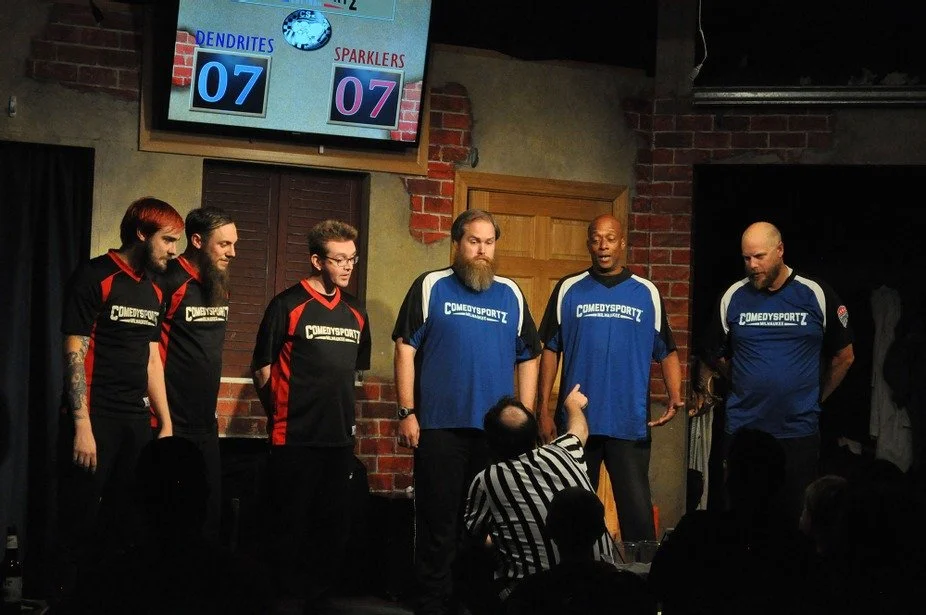
Best for outgoing teams who like being put on the spot: ComedySportz Milwaukee
Best for high-pressure puzzle lovers: Escape The Room Milwaukee
Best for foodies exploring Milwaukee: Milwaukee Food & City Tours
Creative, Facilitated Team Building for Real Connection


Best for: Teams that want stronger trust, communication, psychological safety, and genuine connection
Competitive: No
Facilitated: Yes
Make Believe Works is for teams that want their time together to accomplish something beyond entertainment.
Its professionally facilitated workshops use art, storytelling, sound, movement, and playful creative challenges to help coworkers lower their guard, learn genuinely new things about one another, and practice taking small interpersonal risks in a psychologically safe environment.
The activities are deliberately non-competitive and talent-agnostic. Nobody has to be the fastest, funniest, loudest, most athletic, or best at trivia. Everyone has a way to contribute without being forced to perform enthusiasm or manufacture vulnerability.
That makes Make Believe Works particularly useful for mixed groups where the people in the room do not all enjoy the same things.
An extrovert can enjoy it without dominating. An introvert can participate without being put on stage. Athletic ability does not matter. Neither does artistic talent. There are no winners and losers.
The workshops are designed specifically around outcomes including trust, communication, collaboration, psychological safety, belonging, and connection across silos. They work especially well for leadership teams, departments going through change, distributed groups finally meeting in person, and organizations that want people to leave understanding their coworkers differently than they did when they arrived.
Clients like Google, Salesforce, and Pixar say that Make Believe Works is more than a diversion from working together; it changes how you work together.
Rage Room
Best for: Teams that think stress relief should involve protective gear and breakable electronics
Competitive: It can be
Facilitated: Staff-managed rather than facilitated team development
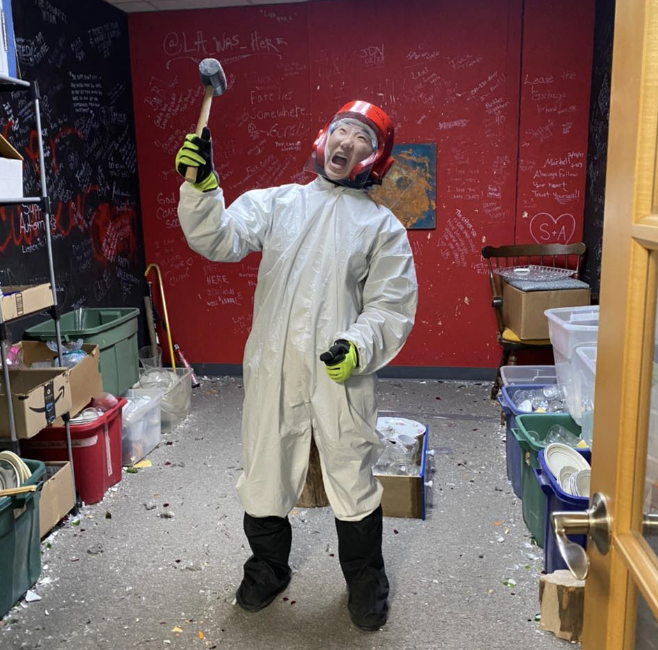
Smash Zone turns stress relief into a physical activity.
Corporate groups can suit up and spend their time smashing breakable objects rather than discussing how the quarter went. Larger corporate formats can add team competition and prizes.
For coworkers who like loud, physical experiences, the appeal is obvious.
It is a more specialized proposition for anyone who does not find hitting things cathartic, does not enjoy physically intense activities, or was secretly hoping team building might involve talking to their coworkers.
There also is not much opportunity for meaningful conversation while someone is swinging a blunt object at an old television.
But for a team whose main objective is to blow off steam rather than build deeper relationships, a rage room makes the distinction admirably clear.
Indoor Go-Kart Racing
Best for: Competitive teams and coworkers who immediately want to know who had the fastest lap
Competitive: Extremely
Facilitated: Race staff manage the event
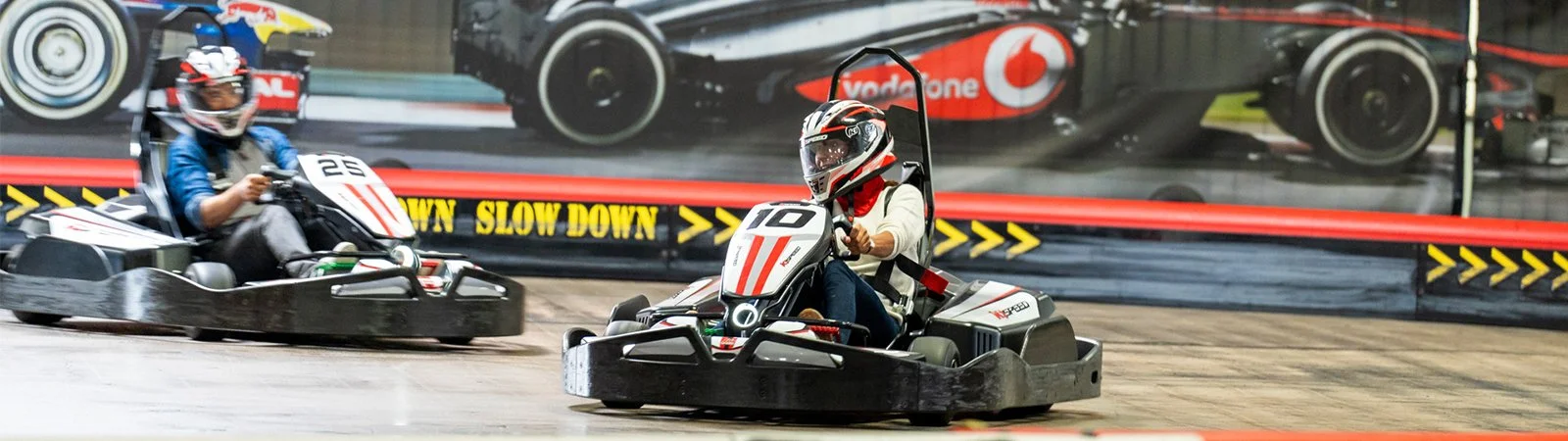
K1 Speed turns the company outing into an actual race.
Corporate formats include timed racing and visible winners, so there is little ambiguity about the objective.
For people who enjoy speed and competition, that can generate plenty of excitement.
The actual activity, however, consists largely of coworkers sitting individually in separate vehicles trying to beat one another. Any deeper conversation necessarily happens before or after the racing.
Participation also depends on meeting the facility’s physical and safety requirements, which is worth considering before choosing it for a group with widely varying abilities.
If your team wants adrenaline and friendly rivalry, go-karting delivers both.
If you are hoping coworkers will discover something meaningful about one another, you may have to accomplish that in the parking lot.
Indoor Mini Golf
Best for: Teams that just want an easy thing to do together
Competitive: Only as much as you decide it is
Facilitated: No
Sometimes team building does not need to accomplish anything more ambitious than getting everyone out of the office for a while.
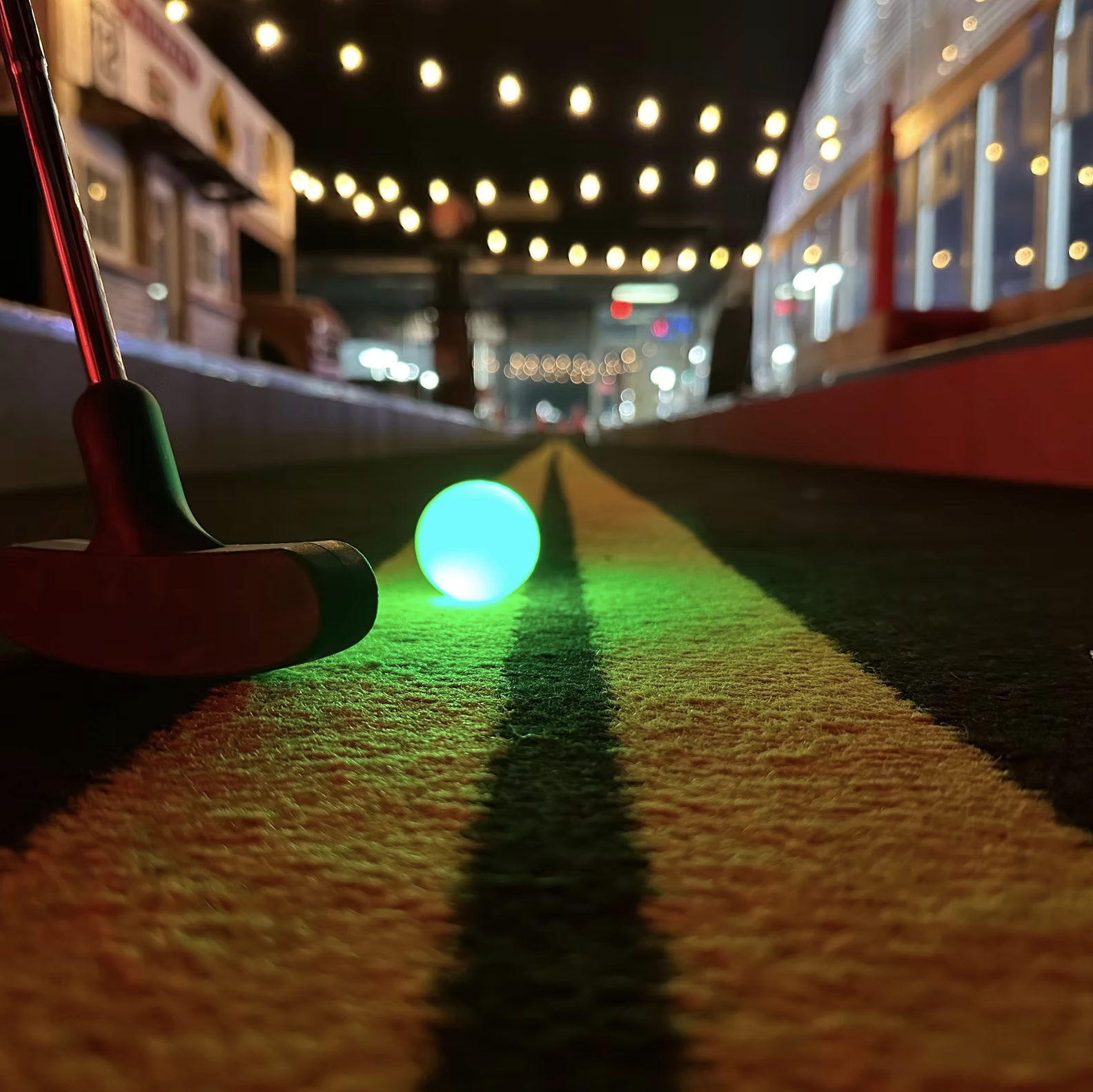
Mini golf is familiar, low-stakes, and gives people something to do while they talk. Nobody needs to prepare, reveal anything personal, or learn a new corporate framework.
You can keep score. You can ignore the score. You can spend five minutes trying to bank a ball around an obstacle and then move on with your life.
There is very little built-in team development, which is precisely why it can work for groups whose only goal is casual fun.
Putting a tiny ball into a tiny hole probably will not transform your company culture.
Sometimes that is refreshingly beside the point.
Improv
Best for: Outgoing teams that enjoy spontaneity, performing, and being put on the spot
Competitive: Depends on the format
Facilitated: Yes
ComedySportz uses improvisational exercises to work on skills including listening, creativity, teamwork, and responding in the moment.
The methodology creates a very particular kind of social risk.
Participants have to react quickly, commit to ideas without much preparation, and become comfortable being watched while they do it.
For teams full of quick thinkers who enjoy performing, thinking out loud, and occasionally having the room’s attention, that can create enormous energy and laughter.
People who prefer to think before speaking or have spent their careers successfully avoiding invitations to “come up to the front” may experience the exact same qualities differently.
Improv can absolutely teach useful communication habits.
It just helps if your team likes improv.
Escape Room
Best for: Puzzle-loving teams that enjoy time pressure and clear right answers
Competitive: Often
Facilitated: A game master runs the experience
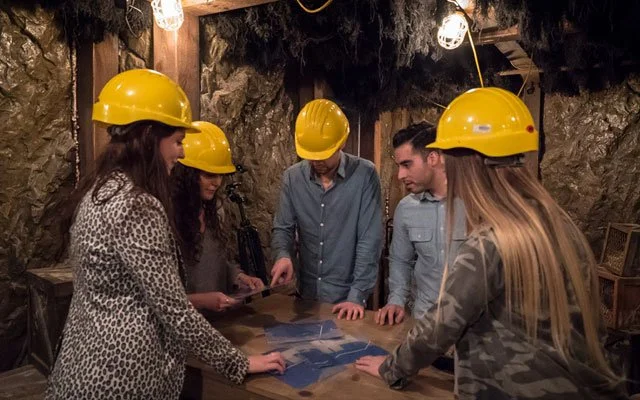
Escape rooms give teams a wonderfully concrete goal: solve the puzzles before the clock runs out.
Corporate groups can divide into smaller teams and, depending on the setup, turn the experience into a race.
This works especially well for people who enjoy codes, patterns, logic, clues, urgency, and the reassuring existence of an objectively correct answer.
It can also expose existing team dynamics very quickly.
The person who usually takes charge may take charge. The quickest puzzle-solver may race ahead. Quieter participants may find a hidden strength, or discover that someone else has shouted the answer before they finish reading the clue.
Escape rooms are good at revealing how people operate under pressure.
They are less intentionally designed to change those patterns once you have seen them.
Culinary Team Building
Best for: Teams that find conversation easier when everybody has something to do
Competitive: Usually no
Facilitated: Yes, by culinary professionals
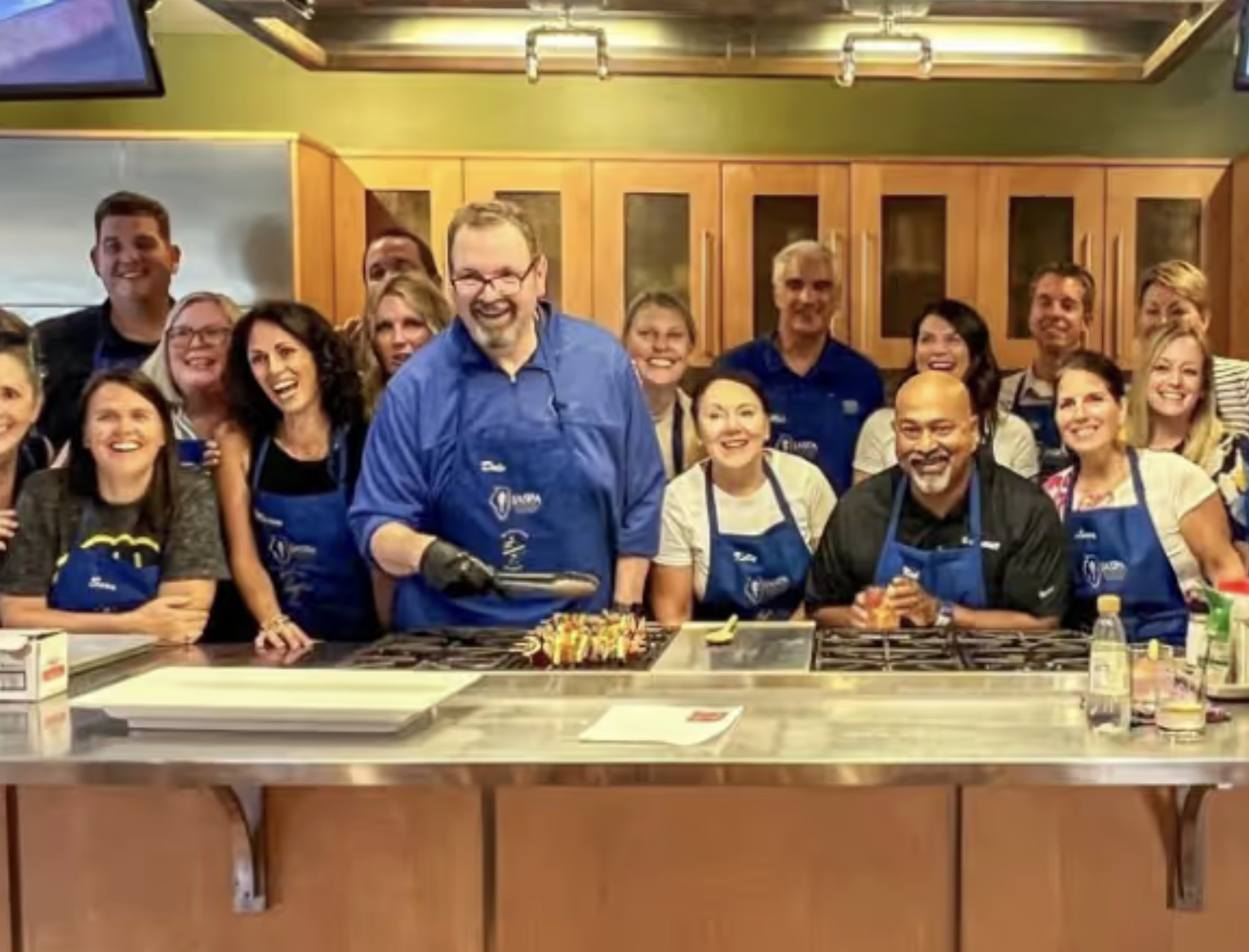
Milwaukee Public Market offers corporate culinary experiences built around activities such as cooking and cake decorating.
Cooking gives coworkers an immediate shared task.
Instead of sitting face-to-face trying to bond, everybody can chop, mix, decorate, taste, and talk while accomplishing something concrete.
That can be particularly comfortable for people who prefer doing things alongside others to participating in more explicit relationship-building exercises.
The recipe also provides most of the structure.
Coworkers may cooperate, socialize, and eat something delicious without necessarily learning much that changes how they work together on Monday morning.
For celebrations or teams that mainly want relaxed interaction, that may be exactly enough.
Live Game Show Competition
Best for: Teams that light up when somebody introduces a scoreboard
Competitive: Very
Facilitated: Professional host
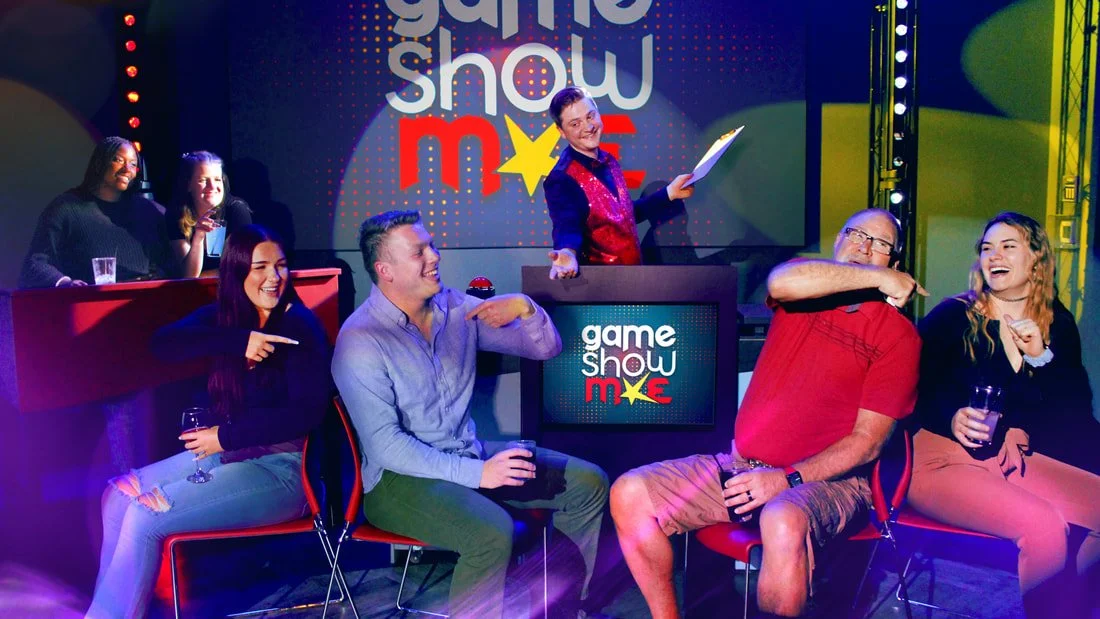
Game Show MKE puts coworkers into a hosted competition involving trivia, music, guessing games, and other challenges.
The host and format keep the energy moving, which means the group does not have to manufacture its own fun.
For teams that enjoy competition, quick recall, cheering, public answers, and the opportunity to defeat their coworkers in front of witnesses, this is an easy concept to understand.
It naturally asks more of people who are uncomfortable competing publicly or who believe knowing fewer television theme songs should not be considered a character flaw.
And because someone wins, someone else necessarily loses.
If competition energizes your team, that can be the fun.
If your objective is to create an environment where people lower their guard rather than prove themselves, choose accordingly.
WhirlyBall, Bowling, and Laser Tag
Best for: High-energy teams that enjoy noise, competition, motion, and organized chaos
Competitive: Yes
Facilitated: Staff-run experience
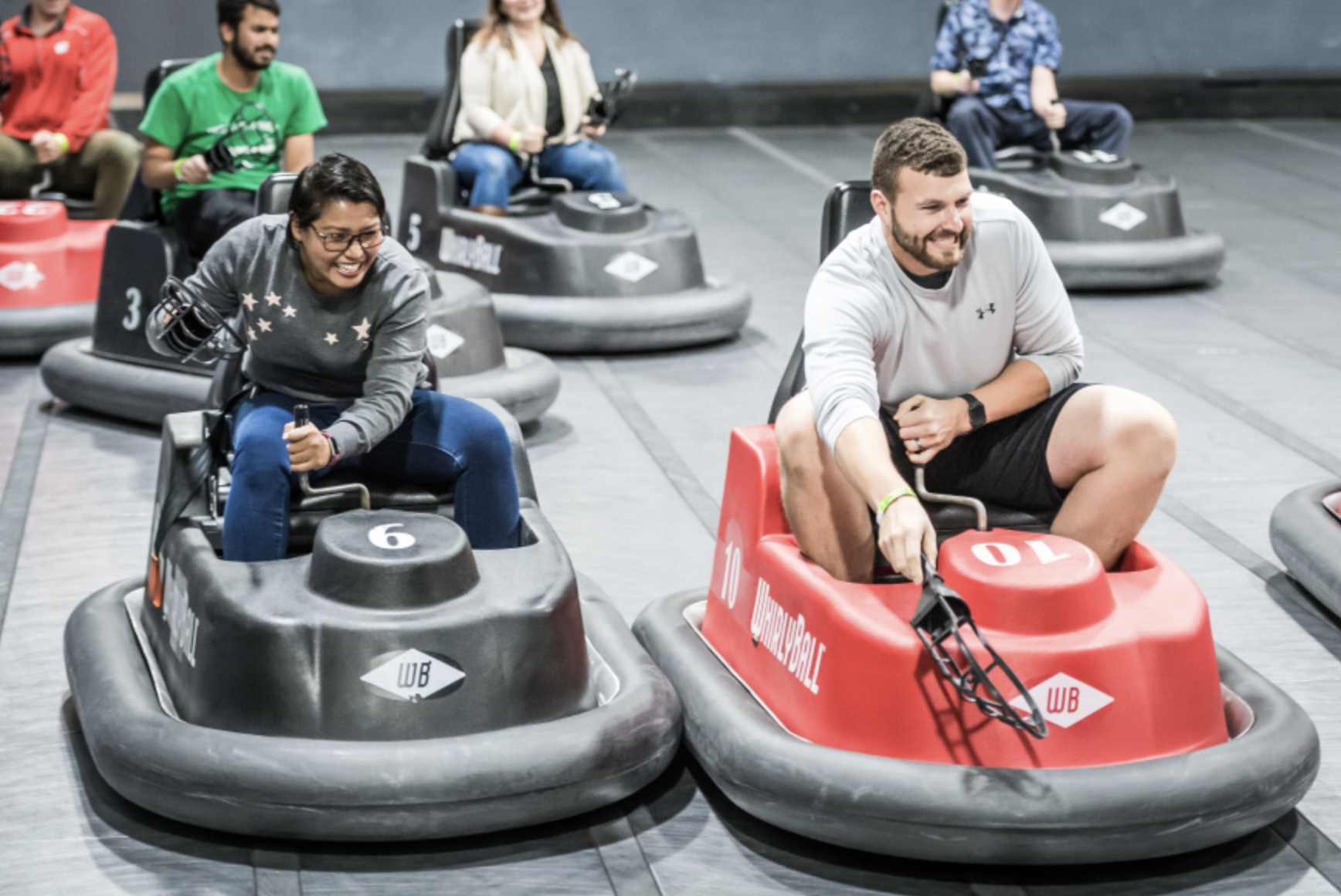
WhirlyBall is difficult to explain without making it sound as though several recreational activities collided in a hallway.
The signature game combines bumper-car-style vehicles with a team ball game, while the Brookfield venue also offers bowling and laser tag for corporate groups.
That makes it a strong option for teams that enjoy physical, competitive entertainment and would rather spend the afternoon moving than talking.
It also asks participants to enjoy quite a specific kind of fun.
Motion, noise, driving, competition, fast reactions, and physical participation are part of the experience rather than optional extras. People who find those things overstimulating or simply unappealing may spend more time watching than joining in.
WhirlyBall gives coworkers something memorable to do together.
Whether they learn anything meaningful about one another in the process is largely up to them.
Milwaukee River Kayaking
Best for: Active teams that would rather be outside
Competitive: No
Facilitated: Guided options are available
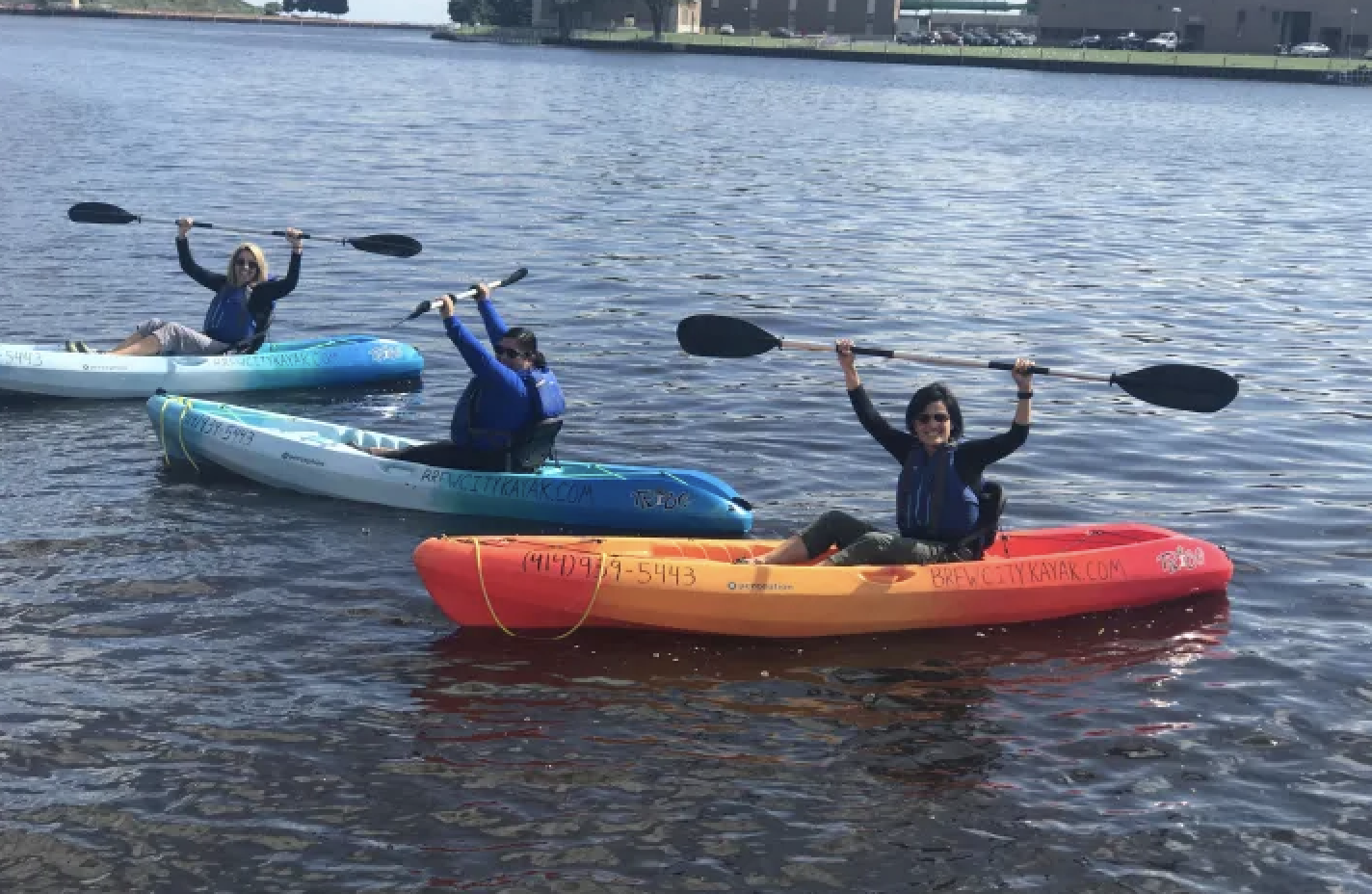
Kayaking gives teams something many corporate activities cannot: Milwaukee itself.
Rather than spending another afternoon inside a generic activity venue, groups can get onto the river and experience the city from a completely different perspective.
For active coworkers who are comfortable on the water, that can make for a memorable shared outing.
The important qualifier is “comfortable on the water.”
Weather, mobility, physical confidence, clothing, seasonality, and basic enthusiasm for sitting in a small floating vessel can all affect participation.
Conversation also tends to become secondary when somebody is concentrating intensely on steering.
For a willing group on a good Milwaukee day, it is a distinctive outdoor experience.
It is considerably less universal than an activity where nobody can accidentally paddle in the wrong direction.
Guided Food and City Tour
Best for: Visiting teams that want to experience Milwaukee while spending time together
Competitive: No
Facilitated: Guided
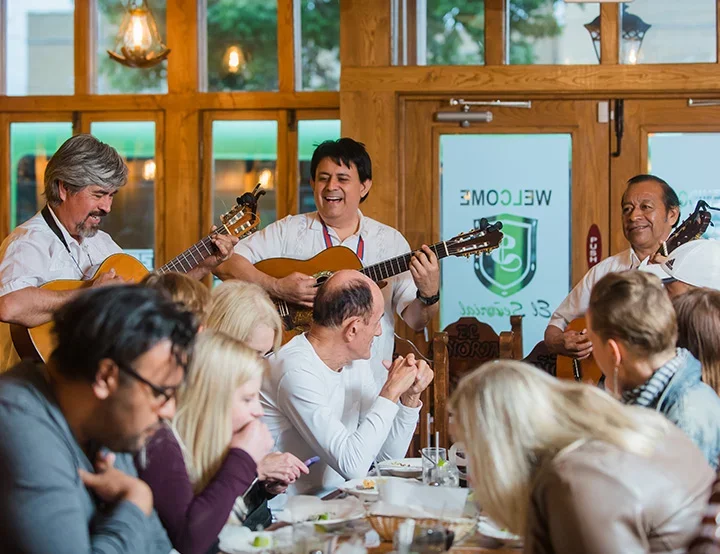
A food and city tour makes particular sense when coworkers are coming to Milwaukee from somewhere else.
Instead of putting everyone into an activity venue that could exist in any city, the group can eat, walk, hear local stories, and experience Milwaukee itself.
That makes the activity particularly useful around conferences, leadership gatherings, and offsites where the destination is part of the occasion.
Interaction is naturally informal.
People walk together, listen to the guide, eat, and talk to whoever happens to be nearby.
That can create good conversation and shared memories.
It is primarily sightseeing and socializing, however, rather than an experience designed to improve how the team works together.
For a visiting group, there is nothing wrong with letting Milwaukee do most of the heavy lifting.

Wellness and Educational Experiences
Best for: Teams that need to stop doing things for a while
Competitive: No
Facilitated: Depends on the selected program
Not every offsite needs another challenge.
Sometimes a team has spent two days in planning sessions, flown in from three time zones, answered emails during every break, and would benefit most from being somewhere beautiful where nobody is timing them.
The Mitchell Park Domes offers a dramatically different environment from the usual conference room, along with corporate wellness and educational possibilities.
The primary outcome here is restoration rather than intensive interaction.
People may slow down, talk more casually, and enjoy being together without being asked to compete, perform, solve anything, or reveal themselves.
They may not leave knowing much more about their coworkers.
They may simply leave less exhausted.
Depending on the week your team has had, that can be a very good trade.
Indoor Rock Climbing
Best for: Active teams that genuinely want a physical challenge
Competitive: It does not have to be
Facilitated: Instruction is available
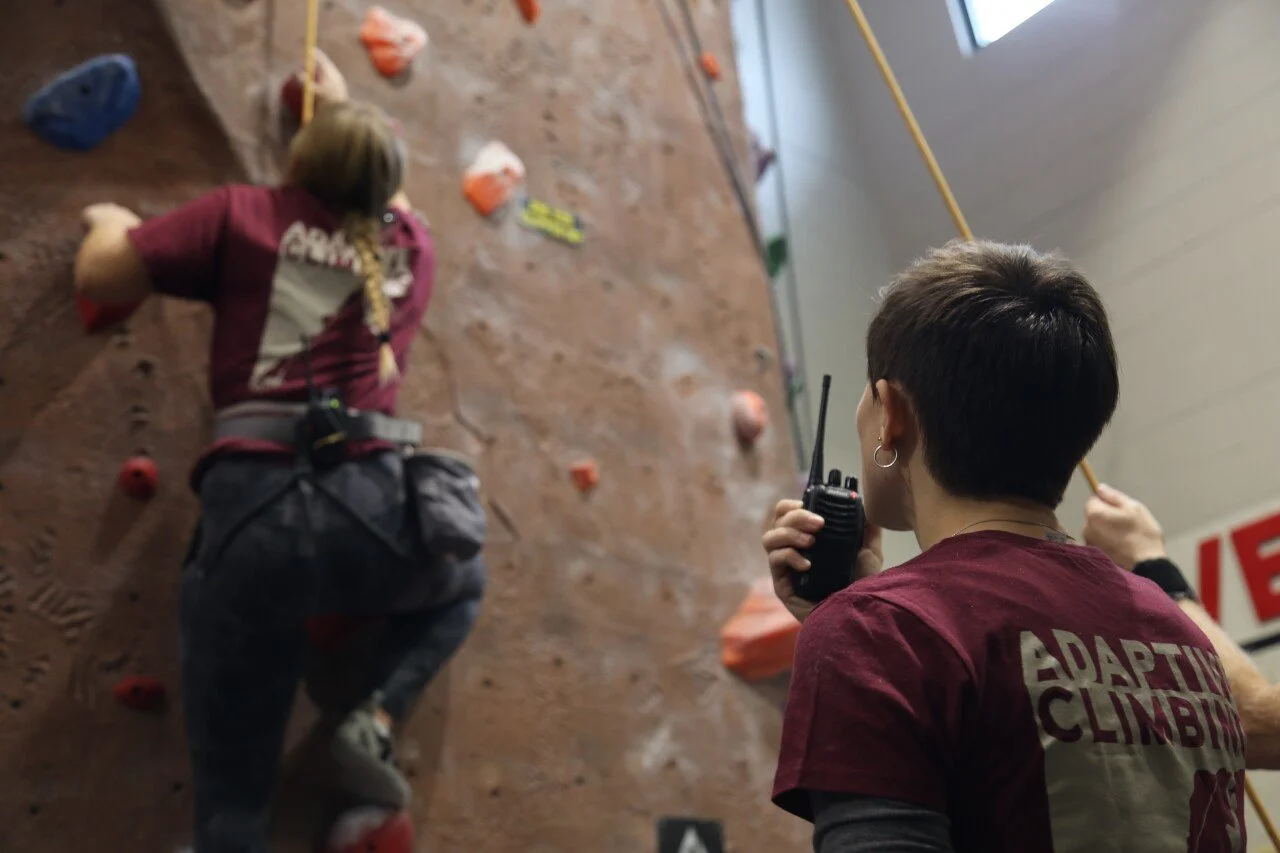
Rock climbing creates a kind of shared challenge that is difficult to reproduce around a conference table.
Coworkers can encourage one another, try something intimidating, and discover that the person who barely speaks in meetings is mysteriously excellent at hanging from a wall.
For people who enjoy climbing, that can be a terrific outing.
The important phrase there is “people who enjoy climbing.”
Comfort with heights, physical ability, mobility, injuries, clothing, and simple personal preference all affect participation.
That makes climbing a much better choice for a team that has actively opted into a physical challenge than for an organizer hoping a large, mixed group will all be equally delighted to leave the ground.
A climbing wall makes participation differences quite literal.
Group Volunteering
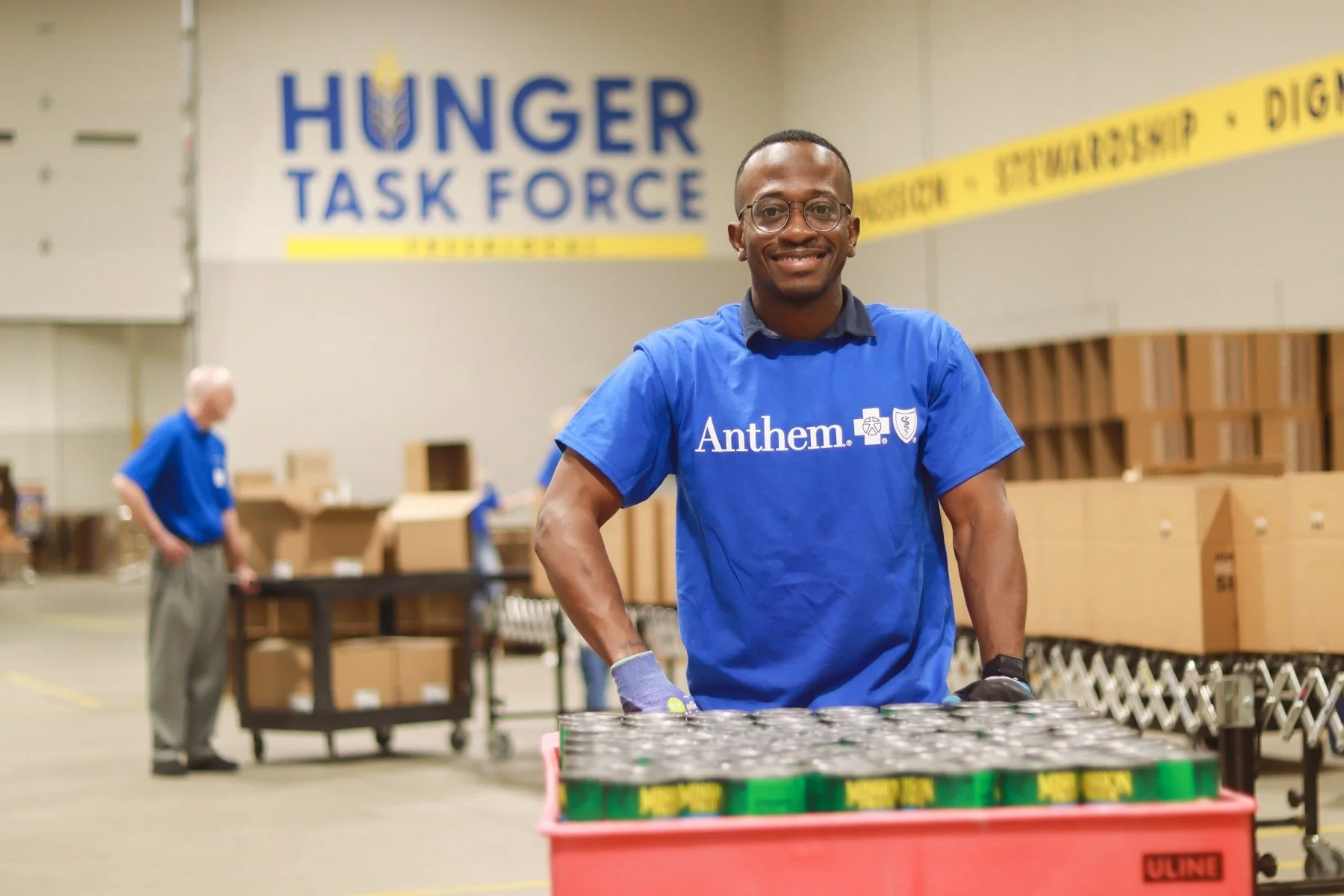
Best for: Teams that want their time together to benefit somebody outside the company
Competitive: No
Facilitated: Volunteer staff organize the work
Hunger Task Force offers group volunteer opportunities involving food distribution, packing, farm work, and other community needs.
This belongs in a different category from most team-building activities because the point is not really the team.
The point is helping feed people.
That clarity can make volunteering especially meaningful for organizations that want their gathering to reflect community or service values.
Coworkers often talk and connect naturally while doing useful work side by side, but the activity is not specifically designed to address communication patterns, trust, silos, or psychological safety.
Different volunteer assignments also have their own physical, scheduling, and capacity requirements.
If your team would rather spend an afternoon contributing to Milwaukee than spending an afternoon focused on itself, this may be exactly the right choice.
Brewery Tour
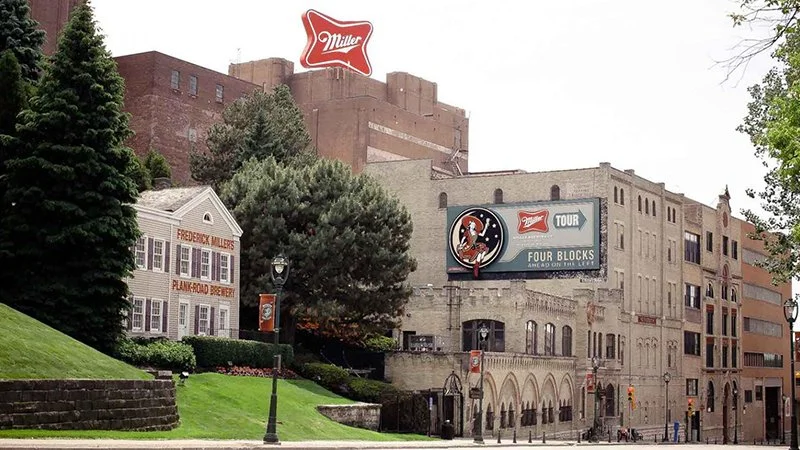
Best for: Visiting teams that want a recognizably Milwaukee social outing
Competitive: No
Facilitated: Guided tour
A brewery tour may be the most Milwaukee answer possible to the question, “What should we do after the meeting?”
The Miller Brewery Tour combines local history, brewing culture, production spaces, and beer sampling for adults of legal drinking age, with nonalcoholic alternatives available.
It requires relatively little of participants.
People walk, listen to a guide, learn something about Milwaukee brewing history, and socialize around the experience.
That makes it easy.
It also makes it primarily passive.
There is little intentional collaboration, and alcohol-centered experiences are not equally comfortable or appealing to everyone even when alternatives are available.
For a visiting group looking for a classic Milwaukee outing, that may not matter at all.
For a team trying to change how people communicate or relate to one another, there are more direct routes.
Team Building or Team Outing? They’re Not Quite the Same Thing.
There is nothing wrong with getting coworkers out of the office to have fun.
Racing, brewery tours, games, mini golf, and other outings can create shared memories and give people something to talk about besides work. Sometimes that is exactly what a team needs.
But entertainment and team development are not interchangeable.
If your goal is to help people build trust, communicate differently, understand one another better, or strengthen psychological safety, look for an experience intentionally designed around those outcomes.
If your goal is mostly to reward people, give them a break, or let them have some fun together, don’t overcomplicate it.
Choose the experience based on what you actually want to happen.
How to Choose the Right Milwaukee Team-Building Activity
The easiest way to choose is to stop asking “What sounds fun?” for a moment and ask what the team actually needs.
If people need stronger trust, communication, psychological safety, or genuine connection, choose an experience intentionally designed around those outcomes. That is the territory Make Believe Works occupies.
If everyone has worked hard and mostly needs a reward, laugh, or release, a rage room, go-karts, mini golf, or a game show may be more appropriate.
If your team tends to bond most naturally while doing something side by side, cooking gives people a shared task without making the relationships themselves the explicit subject.
If you have a specifically active group, WhirlyBall, climbing, or kayaking can create a memorable physical experience. Just remember that “active” is not a universal personality type.
If people are visiting Milwaukee, a food tour, river experience, or brewery tour allows the city to become part of the gathering.
If the organization wants the experience to have community impact, volunteering changes the focus entirely.
And if you have a big, mixed group with introverts, extroverts, different ages, different physical abilities, different interests, and varying levels of enthusiasm about the phrase “team building,” pay particularly close attention to how participation is designed.
The activity should fit the people.
The people should not have to fit the activity.
Planning a Corporate Team Event in Milwaukee
Milwaukee is compact enough that corporate groups can combine meetings, meals, and activities without turning transportation into the main event.
Downtown, the Historic Third Ward, Walker’s Point, Westown, and nearby neighborhoods offer particularly useful clusters for teams gathering around hotels, offices, or Baird Center.
The expanded Baird Center has also made Milwaukee a larger meetings and convention destination, which means many corporate groups are not local teams at all. They are distributed organizations coming together in Milwaukee for conferences, annual meetings, leadership offsites, or company gatherings.
That matters when choosing an activity.
A visiting team may value an experience that feels distinctly Milwaukee. A local department may care much more about the outcome than the sightseeing.
Also check the address before assuming that every activity described as “Milwaukee” is downtown. Some popular options are in Wauwatosa, Greenfield, Brookfield, or Waukesha, which can add meaningful transportation time to a tightly scheduled offsite.
And then there is weather.
Milwaukee offers excellent outdoor possibilities when the season cooperates. Indoor activities offer somewhat more negotiating power with February.
Milwaukee Team-Building FAQ
What are some non-competitive team-building activities in Milwaukee?
Non-competitive options range from professionally facilitated workshops to cooking experiences, guided tours, volunteering, wellness programs, and kayaking.
The important distinction is what the group needs. Some non-competitive activities are primarily social or recreational, while others are intentionally designed to improve trust, communication, or connection.
What Milwaukee team-building activities work well for introverts?
Look for experiences that do not depend on being loud, fast, publicly funny, physically dominant, or eager to perform in front of coworkers.
Facilitated non-competitive workshops, cooking experiences, tours, and other activities where conversation can happen alongside a task can work well for mixed groups.
Improv, game shows, racing, and other high-energy formats may be better suited to teams that actively enjoy public participation or competition.
What Milwaukee team-building activities work for large corporate groups?
Large groups should consider more than a provider's maximum capacity.
Ask whether everyone can participate at the same time, whether the group will be divided into smaller waves, how much time participants spend waiting, and whether the experience works equally well for a wide range of personalities and physical abilities.
Some facilitated workshops can accommodate several hundred people simultaneously, while venue-based activities often handle large groups through rotations or multiple sessions.
What team-building activities can come to an office, hotel, or conference venue in Milwaukee?
Some facilitated team-building providers can run directly in offices, hotels, conference rooms, retreat spaces, and other corporate venues.
Most venue-based activities require the group to travel because they depend on specialized equipment or facilities such as race tracks, escape rooms, kitchens, climbing walls, or waterways.
For teams meeting around Baird Center or working with a tight offsite schedule, travel time can make this distinction surprisingly important.
What is the difference between a team-building workshop and a team outing?
A team outing is usually designed primarily around the activity itself: racing, eating, touring, solving puzzles, playing games, or simply having fun together.
A facilitated team-building workshop is designed around an interpersonal or organizational outcome such as trust, communication, collaboration, psychological safety, or connection.
Both can be worthwhile. The better choice depends on what you want to be different when the experience is over.
What kind of team building works best for leadership teams?
Start with the reason the leadership team is gathering.
If the goal is celebration or relaxed social time, a meal, tour, or recreational outing may be enough.
If the group needs more candid communication, stronger trust across functions, better relationships, or help navigating change, a professionally facilitated experience designed around those outcomes is usually the more direct approach.
Is competitive team building effective?
It can be, depending on the goal and the group.
Competition can create energy, excitement, and memorable moments. It also naturally rewards certain personalities and abilities and produces winners and losers.
For groups focused on inclusion, psychological safety, or helping coworkers lower their guard, non-competitive formats may be a better fit.
The Best Milwaukee Team Building Depends on What Your Team Actually Needs
Milwaukee offers almost every flavor of team experience imaginable.
You can race each other, smash things, solve puzzles, play WhirlyBall, climb walls, cook dinner, paddle a river, tour the city, volunteer, or drink a beer in a historic brewery.
Those experiences are not interchangeable.
And they do not need to be.
If your team mostly deserves an enjoyable afternoon together, choose something people will genuinely enjoy.
If what you need is stronger trust, communication, psychological safety, and connection that carries back into the work itself, Make Believe Works designs and facilitates creative corporate team-building workshops throughout the Milwaukee area.
The best team-building activity is not the one that sounds coolest on a list.
It is the one that fits the people you actually have in the room.